- Quick Answer
- What Is Hedging in Betting?
- How to Work Out Your Hedge Stake
- Hedge or Let It Ride?
- When Hedging Makes Sense
- When Hedging Does Not Make Sense
- Hedging vs Cash Out
- Hedging on an Exchange by Laying
- Common Hedging Mistakes
- Frequently Asked Questions
- What is hedging in betting best used for?
- Is hedging the same as cash out?
- Does hedging guarantee a profit?
- How much should I stake on a hedge?
- Can I hedge a bet with a free bet?
- Bottom Line
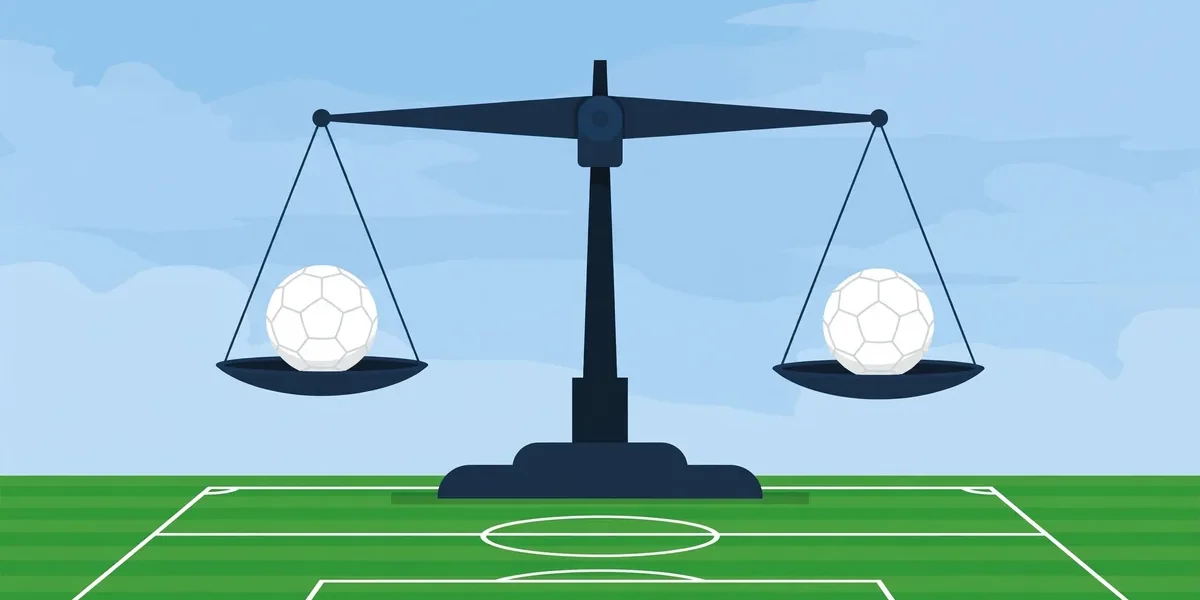
Learning what is hedging in betting is the first step toward managing risk like a careful bettor. A hedge is a second bet on the opposite outcome of a bet you already hold. It trades some of your possible profit for certainty. In other words, you give up the big win to make sure you walk away with something.
For example, imagine you backed a team at long odds and they reach the final. Next, you can back the other side and lock in a profit either way. That is the whole idea. This guide shows how the maths works, when to hedge, and when to let the bet ride.
Last updated: November 2026
Quick Answer
- Firstly, a hedge is a new bet on the opposite outcome of a bet you already hold.
- Secondly, the full-hedge stake equals your original potential return divided by the hedge odds.
- Thirdly, hedging locks in a smaller certain profit instead of a bigger possible one.
- Next, it works best on the final leg of an accumulator, a live bet that has swung your way, or an outright ticket near payout.
- Finally, cash out is different: the bookmaker sets that price, while you control a hedge.
What Is Hedging in Betting?
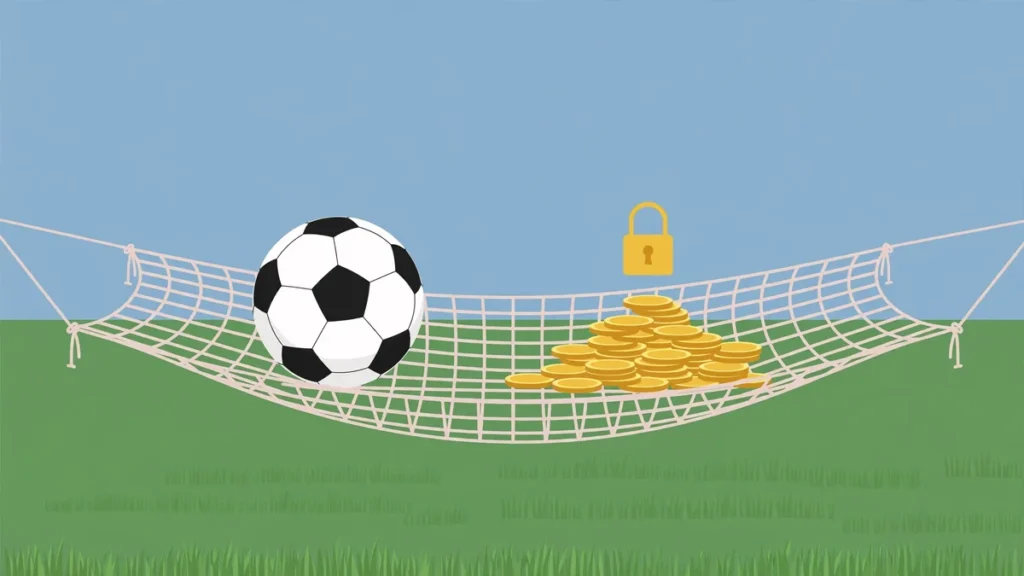
A hedge is insurance you buy with a second bet. Meanwhile, your first bet stays live. The hedge pays when the first bet loses. As a result, at least one of your two tickets wins. In short, you swap one big either-or result for a smaller result you can count on.
However, a hedge only pays when the odds have moved in your favour since you placed the first bet. For example, you back a team at 3.00 and their price shortens as they take the lead. Now the opposite side offers value. On the other hand, if the price has not moved at all, a hedge only locks in a small loss. That loss comes from the bookmaker’s margin, which you pay twice.
How to Work Out Your Hedge Stake
The maths behind what is hedging in betting starts with one formula. Firstly, divide your original potential return by the decimal odds of the hedge. That gives the full-hedge stake. In other words, the stake that makes both results pay the same.
For example, you stake ₦5,000 at 3.00. Your potential return is ₦5,000 times 3.00, which is ₦15,000. Next, the opposite outcome sits at 2.00. Divide ₦15,000 by 2.00 and you get a hedge stake of ₦7,500. If your first bet wins, you collect ₦15,000. Subtract your ₦5,000 stake and your ₦7,500 hedge. That leaves a profit of ₦2,500. If the hedge wins, it pays ₦7,500 times 2.00, which is ₦15,000. Subtract the same two stakes. That leaves the same ₦2,500 profit. As a result, you bank ₦2,500 no matter which side wins.
In addition, you can hedge only part of the way. For example, hedge just ₦4,000 at 2.00 instead of ₦7,500. If your first bet wins, you collect ₦15,000 and keep ₦6,000 after both stakes. If the hedge wins, it pays ₦8,000, so you lose only ₦1,000. That beats losing the full ₦5,000. In short, a partial hedge keeps more upside and still caps the damage.
Hedge or Let It Ride?
| Situation | Hedge | Let it ride |
|---|---|---|
| Final leg of an accumulator with a big payout | Yes, lock in some profit | Only if you accept losing it all |
| Live bet that has swung your way | Yes, the price has moved for you | Only if the thrill matters more than the profit |
| Small stake, small payout | No, the margin eats the gain | Yes, the risk is small |
| Odds have not moved at all | No, you only lock in a loss | Yes, nothing has changed |
| You need the money for something else | Yes, certainty beats hope | No, never bet money you need |
When Hedging Makes Sense
For example, that final leg is where what is hedging in betting earns its keep. You have already won every other leg of your accumulator. One match stands between you and a big payout. A hedge on the other side banks part of that payout before the match even starts. Our guide to football betting markets shows the markets you can hedge into.
Next, live betting creates hedge chances all through a match. For instance, your team takes an early lead and their price shortens. The opposite side drifts out. That drift is your opening. In addition, an outright bet works the same way. You back a team to win the league at long odds. They reach the last day in first place. A hedge on their rival locks in profit either way.
When Hedging Does Not Make Sense
In contrast, what is hedging in betting cannot rescue a bet that was poor at the start. A hedge only protects value that already exists. If your first bet had no value, the hedge only shares the loss around. For example, a ₦500 stake at 1.50 offers little to protect. The margin eats most of the gain. As a result, the hedge costs more in effort than it saves in money.
Similarly, never hedge money you need for something else. That is a bankroll problem, not a hedge problem. Our guide on managing your betting bankroll shows how to size stakes so no single bet hurts. Finally, do not hedge out of fear alone. Fear makes you pay for certainty you do not need. Check the numbers first. If the guaranteed profit is tiny, let the bet ride.
Hedging vs Cash Out
However, what is hedging in betting is not the same thing as cashing out. A hedge is a new bet that you place yourself. You pick the odds, the timing and the stake. Cash out is different. The bookmaker offers to settle your bet early at a price they set. You take it or leave it.
In addition, a hedge can beat cash out on value. You shop around for the best hedge price. The bookmaker’s cash-out offer carries their margin. On the other hand, cash out wins on speed. One tap settles the bet. A hedge needs a second stake, a second slip and fresh funds. So compare the two offers before you pick one. If cash out pays more than your hedge would, take the cash out.
Hedging on an Exchange by Laying
On an exchange, what is hedging in betting works through a lay bet. A lay bet means you bet against an outcome. You win the backer’s stake if the outcome does not happen. You pay out if it does. The amount you risk is called liability. It equals the backer’s stake times the lay odds minus one.
For example, take the same ₦5,000 bet at 3.00, with a potential return of ₦15,000. Lay that selection at 1.50. Divide ₦15,000 by 1.50 and the backer’s stake is ₦10,000. Your liability is ₦10,000 times 0.50, which is ₦5,000. If your first bet wins, you collect ₦15,000, pay out ₦5,000, and keep ₦5,000 after your stake. If it loses, you keep the backer’s ₦10,000 and end up ₦5,000 ahead after your stake. In short, the lay locks in ₦5,000 either way. Note that an exchange may charge commission on winnings, which this example leaves out. Also note that this article makes no claim about any exchange operating in Nigeria.
Common Hedging Mistakes
Finally, what is hedging in betting rewards patience, not panic. The first mistake is hedging every bet. Most bets never gain enough value to justify a hedge. The second mistake is hedging too late. By the time the match turns, the hedge price may have gone. The third mistake is forgetting the second stake. A hedge needs fresh funds on top of your first stake.
Next, many bettors hedge the wrong market. In football, a match has three results: win, draw and loss. A hedge on one rival leaves the draw uncovered. So cover every result that kills your first bet, or accept the gap. In addition, never chase a hedge after a loss. That is not risk control. That is a new bet placed in anger. Our checklist of 7 key data points to check before kickoff helps you judge a match calmly before you stake. Lastly, bonus money adds its own rules. A free bet or bonus may carry rollover terms that change the maths. Our guide to rollover in betting explains those terms.
Frequently Asked Questions
What is hedging in betting best used for?
The final leg of an accumulator, a live bet that has swung your way, or an outright ticket near payout. In each case, the odds have moved in your favour and real profit sits on the table.
Is hedging the same as cash out?
No. Hedging is a new bet you place yourself on the opposite outcome. Cash out is the bookmaker’s offer to settle your bet early at a price they set.
Does hedging guarantee a profit?
Not always. However, a full hedge guarantees the same result either way, but that result can be a small loss. It only guarantees a profit when the odds have moved enough in your favour.
How much should I stake on a hedge?
Divide your original potential return by the hedge odds. That gives the full-hedge stake. For a smaller guaranteed result with more upside, stake less than that number.
Can I hedge a bet with a free bet?
Free bets often return profit only, not the stake, so the maths changes. Work out the return on the free bet first, then size the hedge from that number.
Bottom Line
To sum up, hedging swaps a big possible win for a smaller certain result. Use it when the odds have moved your way and real money sits on the table. Size the stake with the formula, compare it with cash out, and skip it when the gain is tiny. In short, hedge with a plan, not with fear.
Play responsibly. Betting is for adults aged 18 and over only. Treat it as entertainment, not income, and only stake money you can afford to lose.
Betting is regulated at state level in Nigeria. The Supreme Court nullified the National Lottery Act 2005 on 22 November 2024. That Act is no longer the law. The National Lottery Regulatory Commission framework applies only in the Federal Capital Territory. In other words, never take a site’s claim to be “licensed by the NLRC” as a general guarantee.

 By George Michael